
Liz Westerhaus Card Games Online
Online card games combine decks, card values, hand rankings, and betting rules to create different gameplay formats. Liz Westerhaus Card Games can be explored through poker, blackjack, and baccarat, with each game using its own dealing process, result determination, and player decisions. Instead of focusing only on winning hands, players should understand probability, payout structures, and betting rounds. Learning the game rules in advance also makes it easier to choose suitable tables, bet sizes, and bankroll limits.
How Liz Westerhaus Card Games Work
Most card games begin with one or more decks, after which cards are distributed according to the dealing rules of each game. Hand values, hand rankings, or fixed drawing rules determine how results are decided. When exploring Liz Westerhaus Card Games, users should distinguish between game mechanics, betting rounds, and settlement rules because games can operate very differently even when they use the same standard playing cards.
Decks, Card Values And The Dealing Process
A standard deck generally contains 52 cards divided into four suits with different ranks. Depending on the game, an Ace may have a high, low, or flexible value according to the applicable rules.
Cards are shuffled before the dealing process to rearrange their order. Poker may use hole cards and community cards, while blackjack distributes cards directly to the player and dealer.
When approaching Liz Westerhaus Card Games, the number of decks and dealing process are worth reviewing. These factors can influence card probability, game pace, and how certain decisions are evaluated during play.
Hand Rankings And Determining Results

Hand rankings are particularly important in poker. Common combinations include High Card, One Pair, Two Pair, Three of a Kind, Straight, Flush, Full House, Four of a Kind, and Straight Flush.
When two players hold the same type of hand, tie-breaking rules determine the winner according to the ranks of the relevant cards. Simply recognizing the name of a combination is therefore not enough to evaluate hand strength correctly.
Within Liz Westerhaus Card Games, not every game uses poker rankings. Blackjack relies on hand totals, while baccarat uses point totals and fixed drawing rules. Understanding how each result is determined helps prevent rules from one game being incorrectly applied to another.
Betting Rounds And Player Decisions
Betting rounds determine when players can take particular actions. In poker, common options include check, bet, call, raise, and fold depending on the situation and previous action.
Blackjack uses a different set of decisions, including hit, stand, double down, and split. Baccarat relies less on player decisions after a bet is placed because additional cards are dealt according to fixed rules.
With Liz Westerhaus Card Games, table limits and stake sizes should be checked before playing. Minimum bets, maximum bets, and buy-ins can vary between tables and directly affect the bankroll required for a session.
Popular Games In Liz Westerhaus Card Games
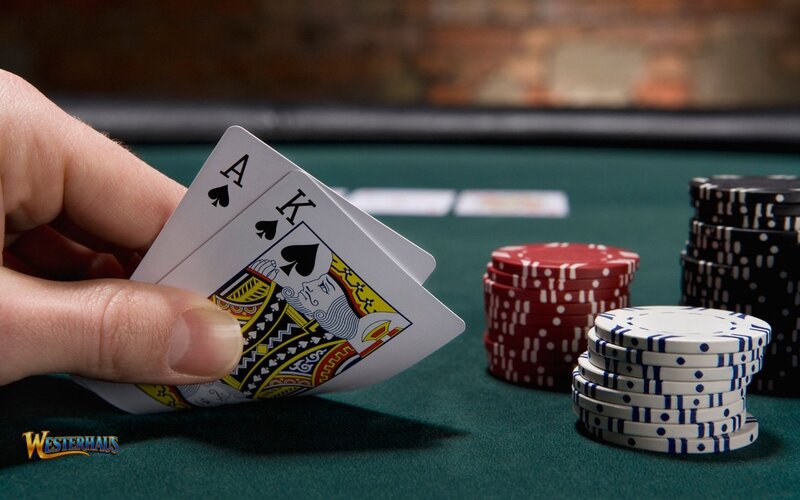
Poker, blackjack, and baccarat all use playing cards, but their mechanics are significantly different. Poker focuses on hand rankings, betting rounds, and player decisions; blackjack centers on card values and dealer rules; while baccarat uses Player, Banker, Tie, and fixed drawing rules. Liz Westerhaus Card Games should therefore be evaluated individually rather than through a single strategy applied to every table.
Poker With Hand Rankings And Betting Strategy
Texas Hold’em is a popular poker format that combines hole cards with community cards. The board develops through the flop, turn, and river, creating several betting rounds within a single hand.
Position, hand strength, and pot size can all influence player decisions. Pot odds provide a way to compare the cost of making a call with the potential reward available in the pot.
When exploring Liz Westerhaus Card Games through poker, bluffing should not be treated as a guaranteed winning formula. Decision-making also depends on position, betting patterns, available information, and the probability associated with each situation.
Blackjack With Card Values And Dealer Rules
Blackjack focuses on building a hand total closer to 21 than the dealer without exceeding that number. Number cards retain their face values, face cards generally count as 10, while an Ace can have a flexible value.
Players may hit, stand, double down, or split when table rules permit. The dealer, however, must follow predetermined rules, including specific requirements for handling a Soft 17.
Within Liz Westerhaus Card Games, blackjack rules directly affect the house edge. Basic strategy can support decisions based on the player’s hand and dealer upcard, but it cannot completely eliminate the mathematical advantage built into the game.
Baccarat With Player, Banker And Tie

Baccarat commonly provides three primary betting options: Player, Banker, and Tie. Cards are calculated using point totals, with only the final digit used when the total exceeds nine.
Third-card rules determine when the Player or Banker receives another card. Participants do not independently choose to hit or stand as they would in blackjack.
When approaching Liz Westerhaus Card Games through baccarat, payout ratios and Banker commission are important details. Player, Banker, and Tie have different probabilities and house edges, so a higher payout does not necessarily indicate a higher chance of winning.
A Balanced Approach To Liz Westerhaus Card Games
Online card games always involve probability and financial risk, even when some formats allow strategic player decisions. When approaching Liz Westerhaus Card Games, users should prioritize understanding game rules, odds, house edge, and bankroll management. Setting stake sizes, session budgets, and time limits in advance creates clearer boundaries instead of repeatedly changing wagers according to winning or losing streaks.
Understand Game Rules, Probability And House Edge
Card probability describes the likelihood of a card, hand, or outcome appearing according to the structure of the game. In poker, pot odds can support decision-making; blackjack uses card values and dealer rules; while baccarat follows fixed drawing rules.
Expected value describes the long-term mathematical value of a decision, while house edge represents the built-in advantage associated with a casino game.
Within Liz Westerhaus Card Games, mathematical concepts can support decision-making but cannot predict individual hands with certainty. Short-term variance and random card distribution can still produce results that differ substantially from expectations.
Manage Your Bankroll And Stake Size
Bankroll management begins with an entertainment budget kept separate from money needed for essential expenses. Players can divide their bankroll into betting units to maintain greater control over the stake used for each hand.
Buy-ins, table limits, and session budgets should be established beforehand. Loss limits and time limits can also provide clear stopping points, particularly during longer playing sessions.
When using Liz Westerhaus Card Games, chasing losses by continually increasing stakes does not improve the probability of the next hand. Borrowed money or funds required for everyday expenses should not be used to continue betting.
Check The Online Card Gaming Platform
An online card gaming platform should be evaluated on more than the number of tables or promotions available. Operator information, licensing where applicable, game providers, table rules, and betting limits are all worth reviewing.
Payment methods, withdrawal conditions, and account verification can also directly affect the experience. Privacy policies and account security should be checked whenever a platform processes personal or financial information.
Before accessing Liz Westerhaus Card Games, users may also review responsible gambling tools when available. Transparent rules and payout information are more useful than claims about guaranteed winning strategies.
Conclusion
Liz Westerhaus Card Games can be understood through game mechanics, probability, and bankroll management. Poker uses hand rankings and betting rounds, blackjack focuses on card values and dealer rules, while baccarat operates with Player, Banker, Tie, and fixed drawing rules.
Strategy can support decision-making in certain card games, but it cannot eliminate randomness, short-term variance, or house edge alongside liz westerhaus.
When approaching Liz Westerhaus Card Games, users should read table rules, understand payout structures, and maintain stake sizes appropriate for their bankroll. A structured approach can support better control over betting decisions, but no strategy can guarantee consistent winning results.